

As HR business partners, judgment, accountability, and strategy are still the most important things.
 Angie NgDirector, People Business Partner and Employee Relations @ Zapier
People teams are bringing AI into performance calibration, some of the most judgment-heavy work in HR. AI handles the preparation, and managers and HR make every rating decision. How much human review each workflow gets depends on the cost of an error.
Angie Ng is putting that approach to work as the Director, People Business Partner and Employee Relations at Zapier, the workflow automation platform. Ng has spent more than a decade in HR business partner and people leadership roles, including at Visier and Best Buy Canada, and previously ran people and culture at Traction Guest. At Zapier, she leads a global team that partners with leaders across the company on talent strategy, performance, and engagement, and she works most closely with the executive team. Over the past year, she and her team have designed and built their own AI tools for the work they do with managers.
“As HR business partners, judgment, accountability, and strategy are still the most important things,” says Ng. Her team’s tools are meant to support those skills, giving HR business partners better information going into the conversations and decisions that need a person.
Catching the drift
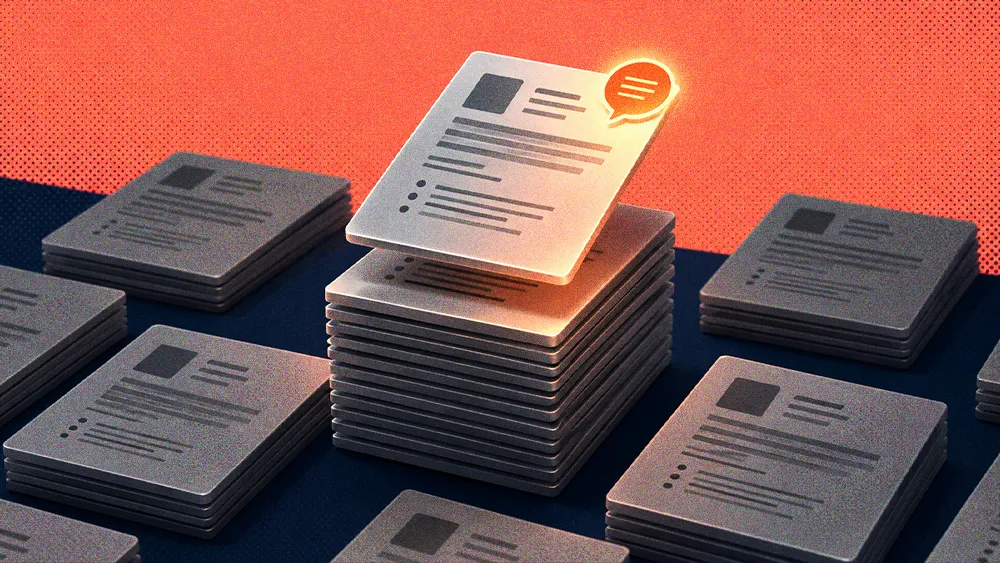
Zapier runs performance reviews twice a year for its roughly 800 employees. In the most recent cycle, Ng’s team shortened the full review process to eight business days, with three of those days set aside for calibration. The team built an AI assistant that reads every manager’s written justification for the ratings they gave. The assistant checks each justification against the company’s performance standards, results from past calibration cycles, business context, and guidance from HR business partners.
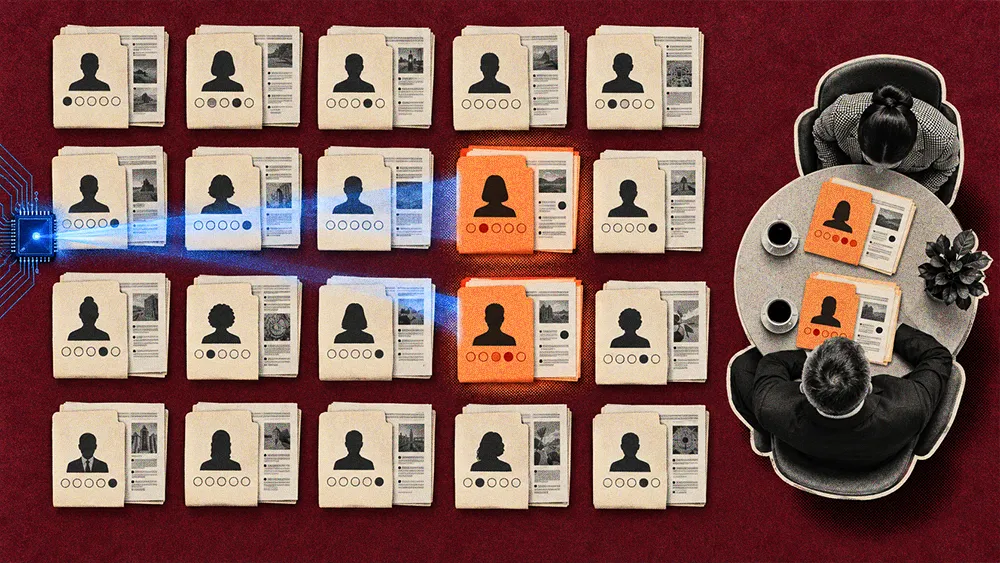
When a rating doesn’t match the evidence, the tool flags it and explains why, and the manager and HR business partner decide what happens next. The tool also looks across the full set of reviews for patterns. “I have analysis that looks across the entire organization and tells me where the bar seems to be drifting between managers,” says Ng. From those findings, it puts together discussion points that HR business partners or team leaders bring into their calibration conversations.
AI also helps HR stay on top of talent health between review cycles. HR business partners used to receive workforce data from the people operations team and then fill in the context from what they knew about the teams they support. Much of that context now sits in written documents the AI can draw on, so the data and the context come together automatically. Ng runs a monthly talent pulse that pairs the numbers with insights, and she reviews it with the people leadership team and her HR business partners. She’s also working with Zapier’s people technology manager to explore predictive analytics built on the same data.
Risk sets the rules
Ng recommends basing human review on the stakes of each workflow and how predictable its output is. For example, a welcome note that introduces a new hire to their HR business partner is a routine HR message. It’s the same for every new employee, so it needs little oversight once it’s set up. Even if one goes out from the wrong person, the mistake is minor and easy to fix.
Performance issues carry far more weight for the employee involved, so they call for much closer oversight. An AI coaching agent can help managers diagnose performance problems and draft messages for difficult conversations. Managers need firm limits on where those drafts can go. “Nothing they do will ever go directly to an employee without being reviewed with a business partner,” says Ng.
The European Union’s AI Act, the region’s main law governing artificial intelligence, takes a similar approach. It groups AI tools by how much harm they could cause and sets stricter rules for the riskier ones. AI used to evaluate employee performance or make other employment decisions falls in the highest regulated category. Employers using those tools will need trained staff who can review the AI’s output and overrule it when necessary. Those rules take effect in December 2027 for employers using these tools in the EU, so matching oversight to risk now puts HR teams ahead of what the law will require.
Support across time zones
When employees are spread across time zones, a manager who needs help is often working hours apart from their HR business partner. A coaching agent that managers can use at any hour helps close that gap. It walks a manager through a structured performance review and turns their notes into a feedback timeline they can share with HR, which saves them from building that record by hand before the meeting.
Having that support on hand also changes when managers reach out. Many aren’t sure when a performance concern is serious enough to bring to HR, and the agent helps them gauge where things stand. “They can start that journey so much earlier, and we can intervene so much quicker and help them get the team back on track,” says Ng.
Tools like these also raise the bar for what a finished piece of work looks like. One good rule is that creating something should take longer than reading it. People should also understand their work well enough to answer questions about it, which takes the same expertise HR teams have always relied on. “The underlying skills haven’t changed. Our skills just get amplified,” says Ng.