


Recruiting Trends 2027: 8 Shifts Talent Acquisition Teams Need to Plan For
The 8 recruiting trends for 2027, from AI interviews and candidate fraud to the decline of the resume, with data from Criteria, Greenhouse and Gartner.
Leadership news on hiring integrity, including interview fraud, fake hires, the return of in-person interviews, and why first-year turnover starts at selection.
The 8 recruiting trends for 2027, from AI interviews and candidate fraud to the decline of the resume, with data from Criteria, Greenhouse and Gartner.

In-person interviews stop deepfake and proxy candidates, but most AI hiring fraud comes from real people faking skills. Here’s when the extra round is worth it.

AI cheating in hiring is easy on resumes and much harder on timed, proctored assessments. Here’s why, and how employers should reorder their hiring process.

Is AI replacing entry-level jobs? 37% of hiring professionals say AI is reducing their need for junior hires. Here's what Criteria's data and new research show.

Do candidates like AI interviews? The 2026 data says they welcome well-run ones and walk away from bad ones. Here’s what makes the difference.

Structured interviews predict job performance about twice as well as unstructured ones, and here's how to build one.

What are pre-employment assessments? A guide to the main types of hiring tests, what research says about their accuracy, and how to use them fairly.

As AI gives employees access to more knowledge and takes over more routine work, Nico Orie of Coca-Cola Europacific Partners argues managers need a different mix of people leadership, business judgment, and technical understanding.
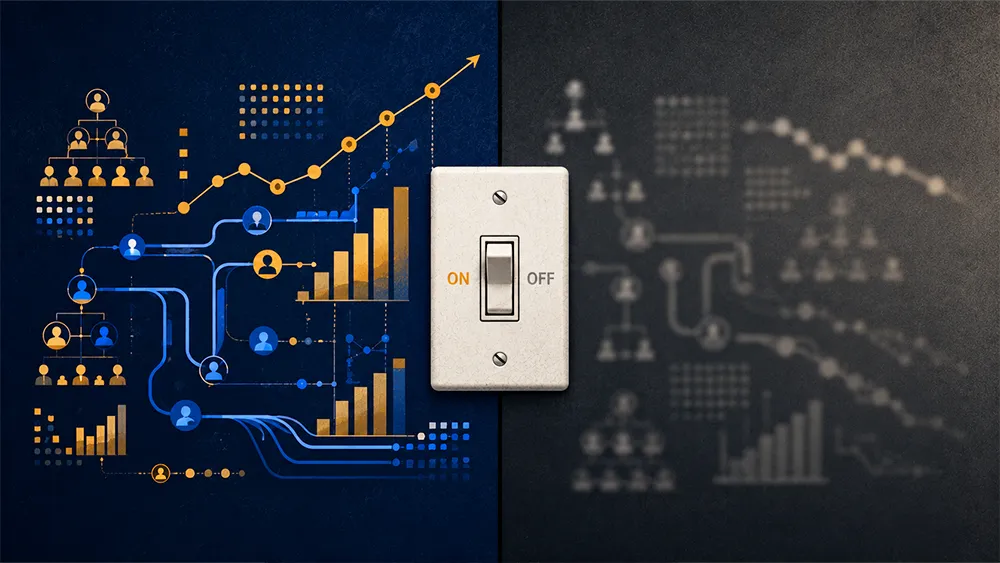
As the EEO-1 mandate faces repeal, Chrysalis VP of Human Resources Carlyne Ervin makes the case that companies should keep measuring workforce data to spot important patterns and ask better questions.

A Head of Talent Acquisition role demanded a KPI of 250 qualified applicants per opening, every week. A target like that builds a process to manage volume, at the exact moment AI has made volume the emptiest number in hiring.
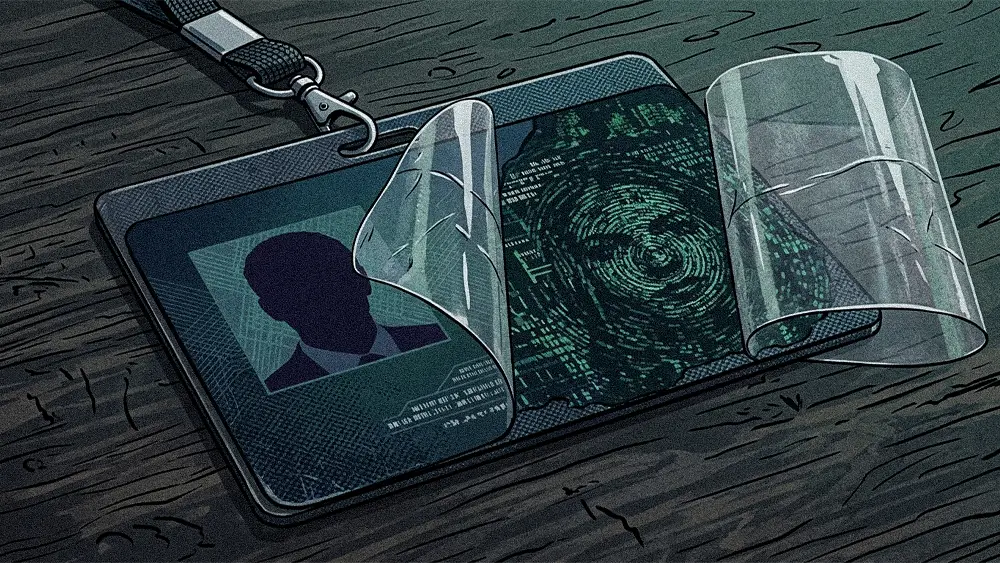
New research shows synthetic candidates clearing interviews, references, and background checks, with legal exposure growing alongside the security risk.

Employers are answering deepfake candidates with conference rooms and airfare, a costly fix that verifies identity but predicts nothing.

When four in ten departures happen inside twelve months, the failure happened at the offer letter, not in the engagement survey.
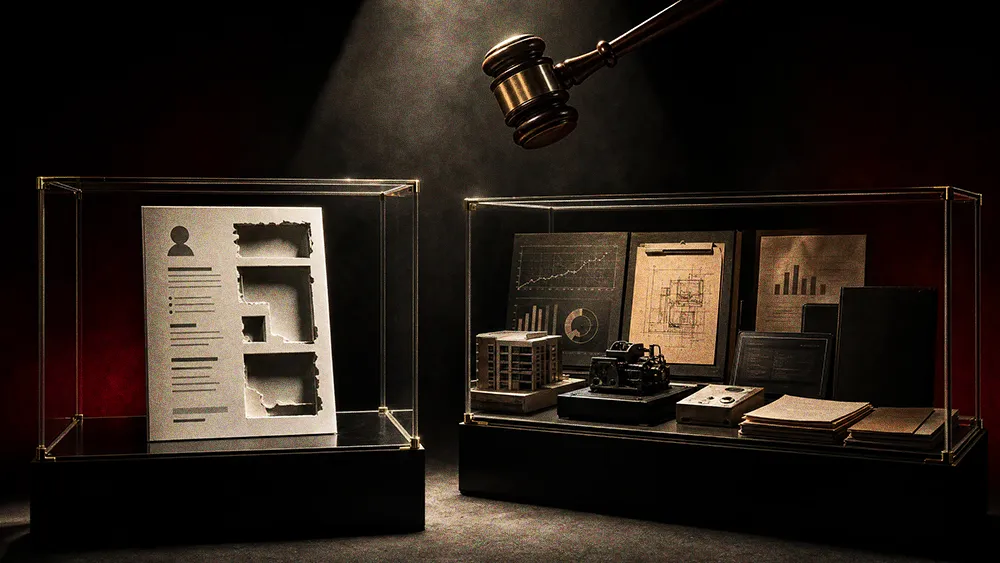
The résumé stopped being a signal you can trust, and the reflex recruiters keep reaching for, more rounds and sharper instincts, only makes it worse.