


How AI's Value Finally Shows Up When Teams Stop Measuring It By Speed
Karin Wagner, VP of Talent Operations and Technology at Empower Pharmacy, on tying AI to outcomes leaders actually care about.
AI hiring news covering bias rulings, screening tools, fake candidates, and resume trust. Coverage of how AI is reshaping talent acquisition and hiring decisions.
Karin Wagner, VP of Talent Operations and Technology at Empower Pharmacy, on tying AI to outcomes leaders actually care about.

Marta Mierzejewska, Recruiter at Dominion Dynamics, explains why documented guardrails and hiring-manager review have to precede any automated job description.
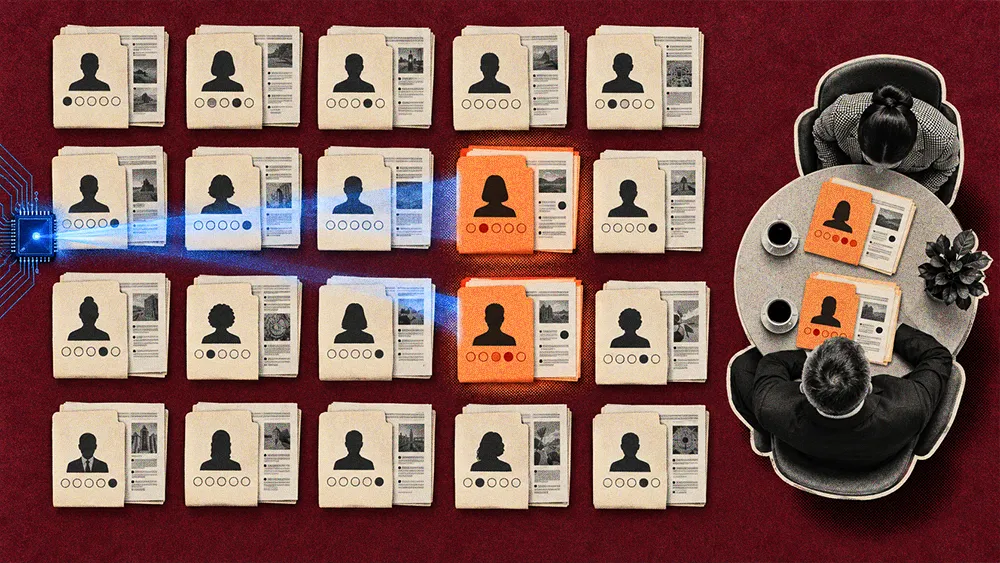
Angie Ng, Global Director, HRBP and Employee Relations at Zapier, says the cost of an error should decide how much human review each HR AI tool gets.
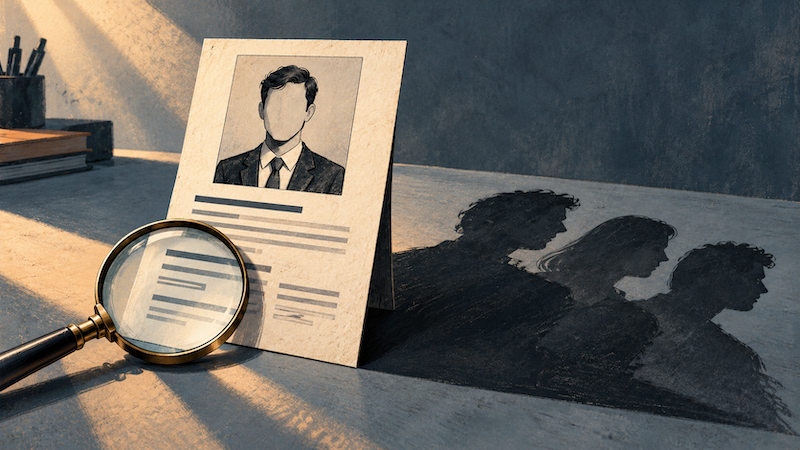
About 4 in 10 hiring professionals struggle with candidates using AI to misrepresent themselves. Here's what AI candidate fraud looks like and how employers are responding.

AI job applications have more than doubled the volume per role. Here’s why stricter resume filters backfire and what to measure instead.
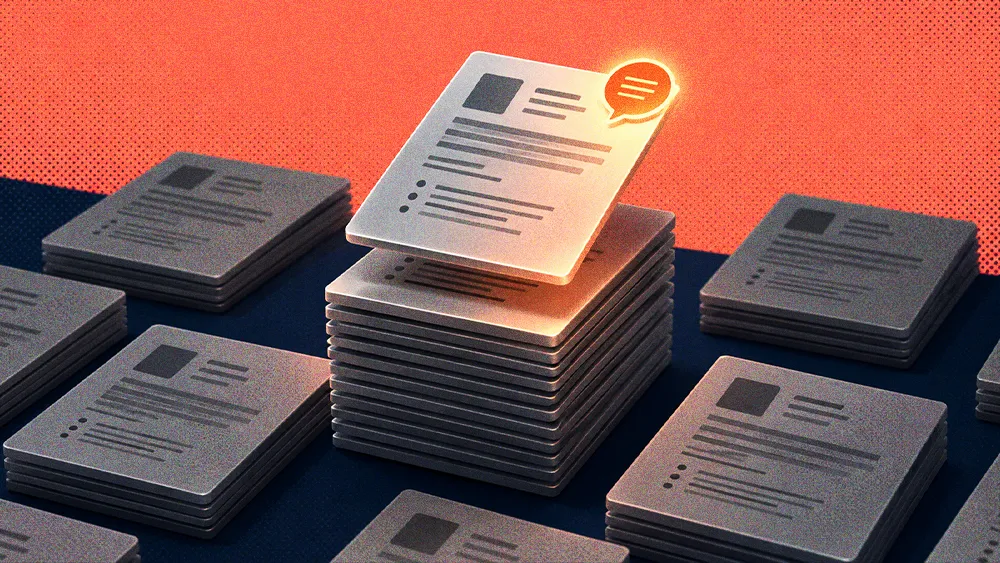
Checkmate's Nina Barden on candidates who go around the ATS and the interview process her team built to find the person behind the AI.

Partho Mukherjee on why companies study candidates in context, then judge employees without recording the conditions around the work.
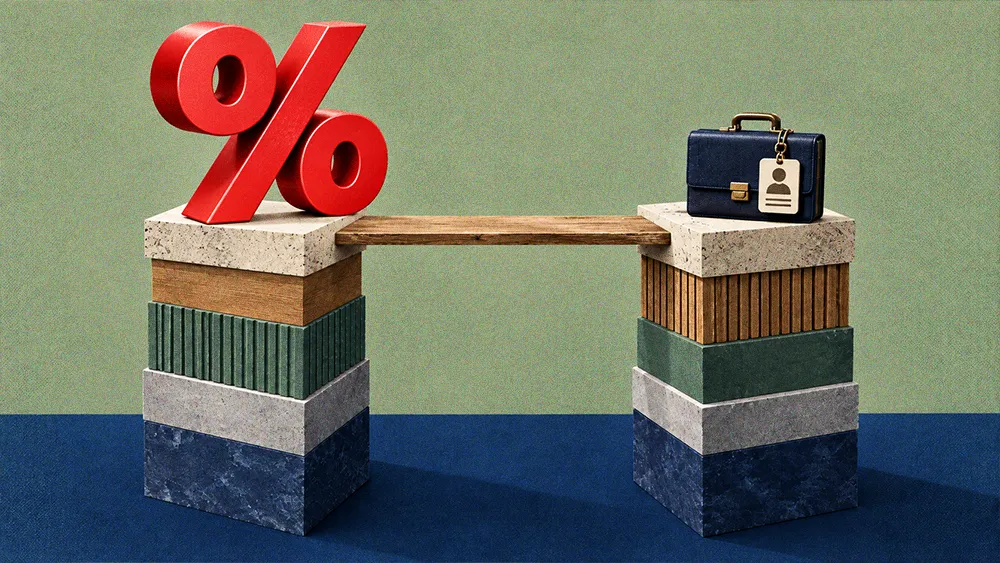
Andrea Smith, People and Culture Business Partner at Salal Credit Union, describes the job titles, flexible requirements, and hiring-manager conversations a match score can't see.
The EU AI Act's requirements for hiring software were due in August and now apply from December 2027. Discrimination law never paused, and the duties still land on the employer.
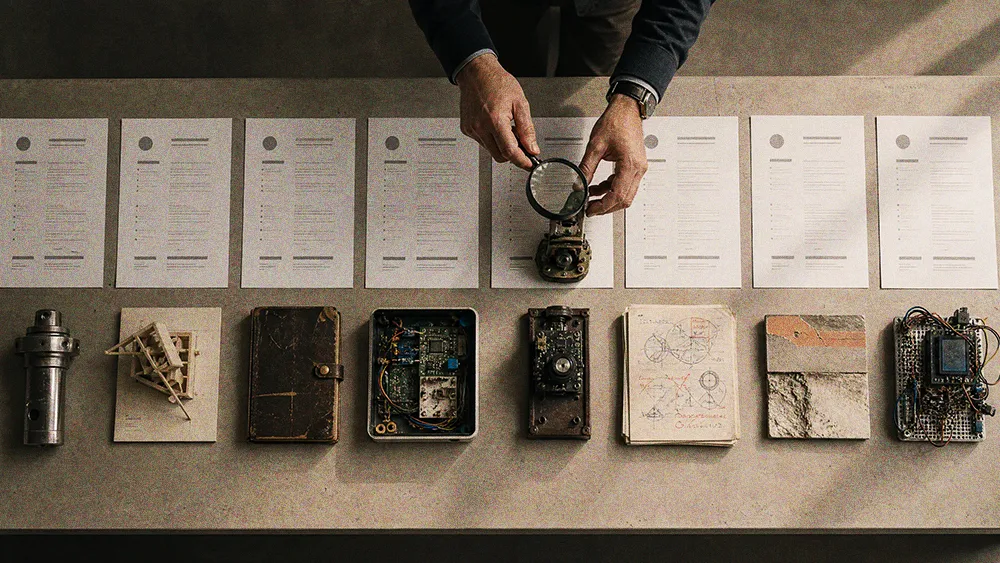
Hiring managers keep opening resumes they can't tell apart, each one a flawless machine-made copy of the last. But the lesson isn't to hunt down the AI. It's that the resume has stopped proving anything, and the job now is to make candidates show they're real and can do the work.
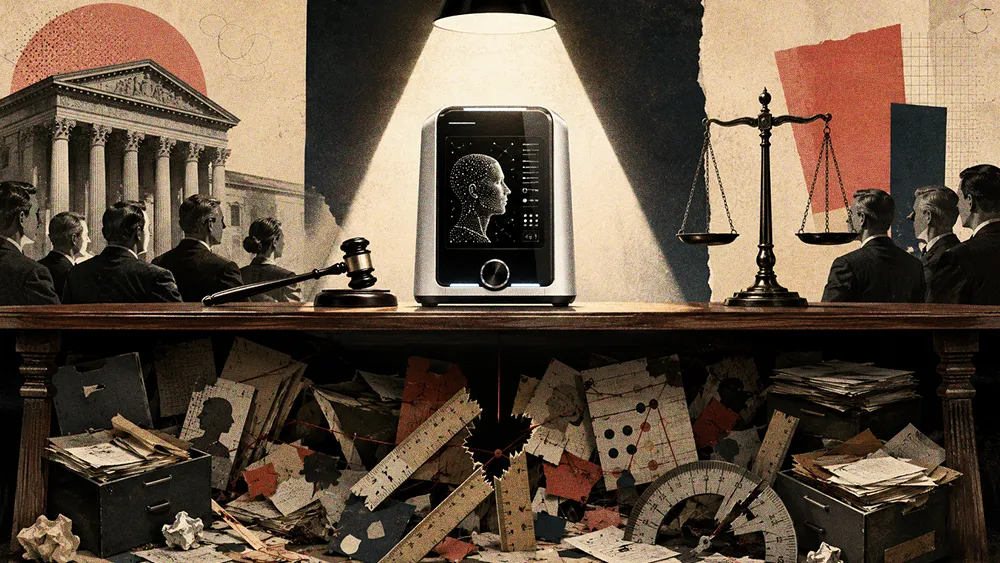
A federal judge just let a bias lawsuit over an AI hiring tool move forward, and the reflex across talent teams is to ask whether to switch the technology off. But that's the wrong question. The real one is whether you've built the foundation that makes any hire, AI-assisted or not, evidence-based and something you can explain.
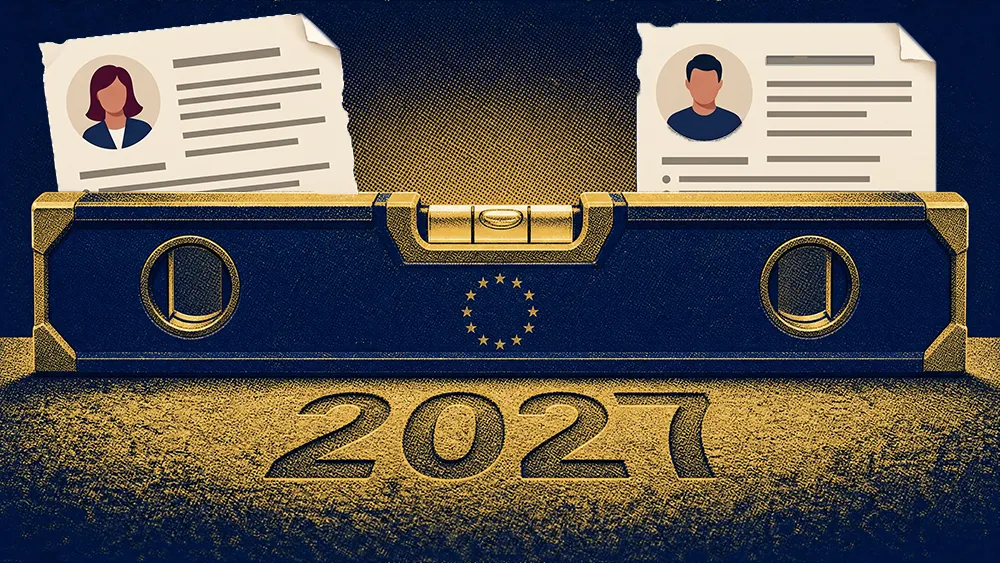
Europe's high-risk AI-hiring deadline moved to December 2027. New York's Local Law 144 has been live since 2023. Both want screening that's job-related, bias-tested, and explainable.
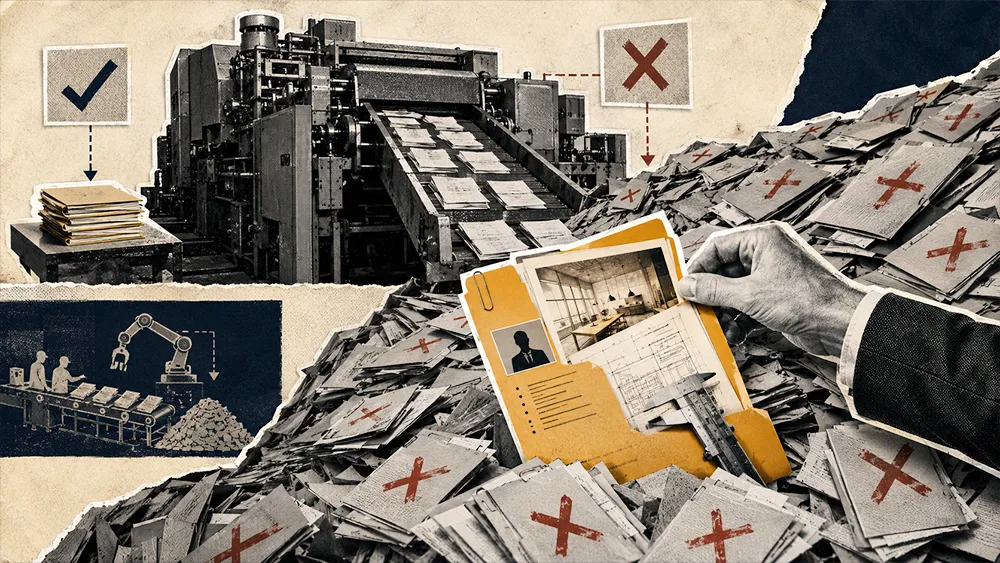
An unaudited AI screener doesn't clean your pipeline. It scales the blind spots already in it, and the answer is a human fail-safe plus AI as a co-pilot rather than a captain.
A Ramp and Revelio Labs analysis of 21,559 firms finds heavy AI adopters expanding their workforces, with entry-level hiring growing fastest of all.
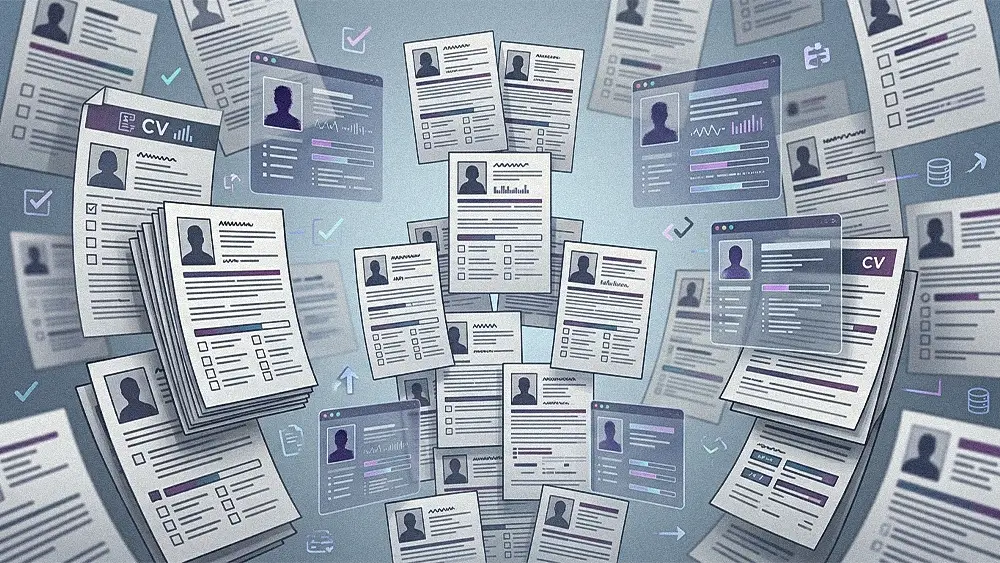
Consumer face-swap and voice-cloning tools can produce an interview-ready fake in about an hour, and human interviewers catch only a fraction of them.

Hiring managers overwhelmingly distrust what they hear in online interviews, yet the funnels producing those interviews remain untouched.
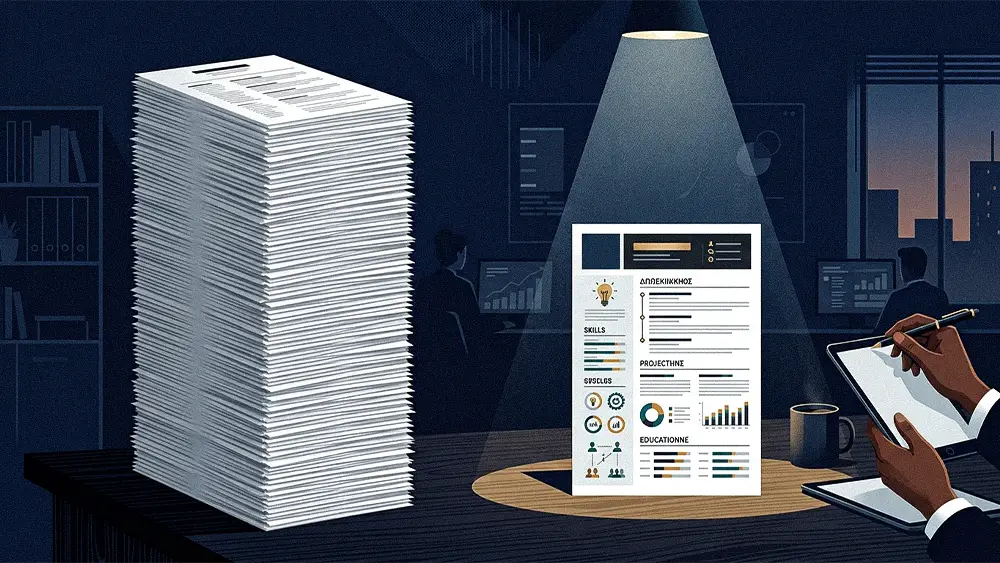
AI polish has erased what little signal the entry-level resume carried, forcing employers to find new ways to evaluate early-career talent.

A 2026 survey of 998 employers finds most no longer trust the resume to tell them who can actually do the job. The tidy explanation is that resumes got worse; the truer one is that AI flooded the volume and broke the trust, pushing hiring toward evidence that's harder to fake.
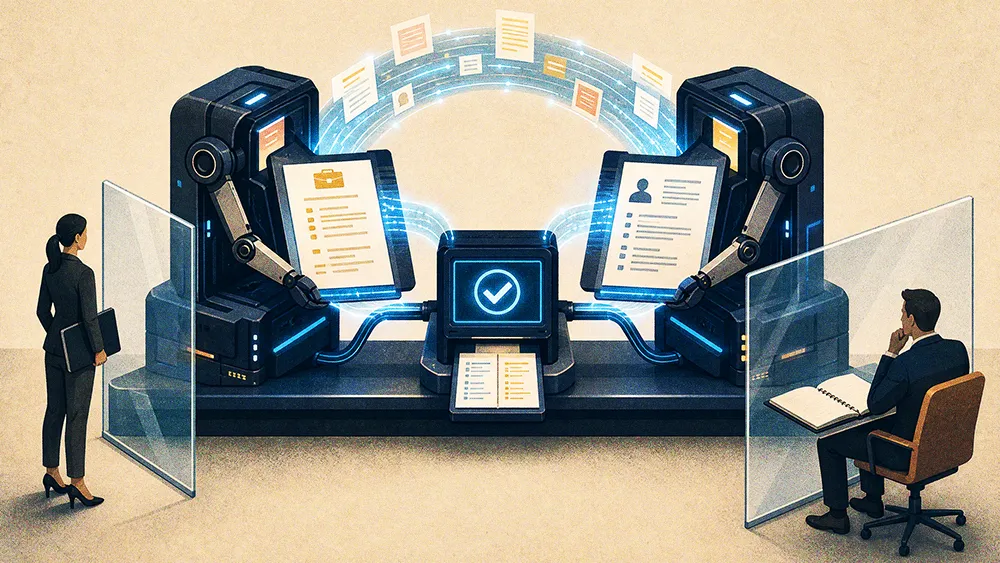
With software drafting the posting, tailoring the application, and running the screen, the hiring loop now closes without a human learning anything.