


Talent Signal News — AI hiring and recruiting insights for talent acquisition and HR leaders
Make Talent Signal News one of your go-to sources on Google
Latest News
Too Many Applicants: AI Job Applications and What to Measure Instead
AI job applications have more than doubled the volume per role. Here’s why stricter resume filters backfire and what to measure instead.
How AI's Value Finally Shows Up When Teams Stop Measuring It By Speed
Karin Wagner, VP of Talent Operations and Technology at Empower Pharmacy, on tying AI to outcomes leaders actually care about.
Mapping The Shadow Org Chart Covers What Succession Planning Misses
Global talent acquisition and transformation executive Philippe Bernimolin describes the record a company needs before its next restructuring.
Growth & Strategy
View More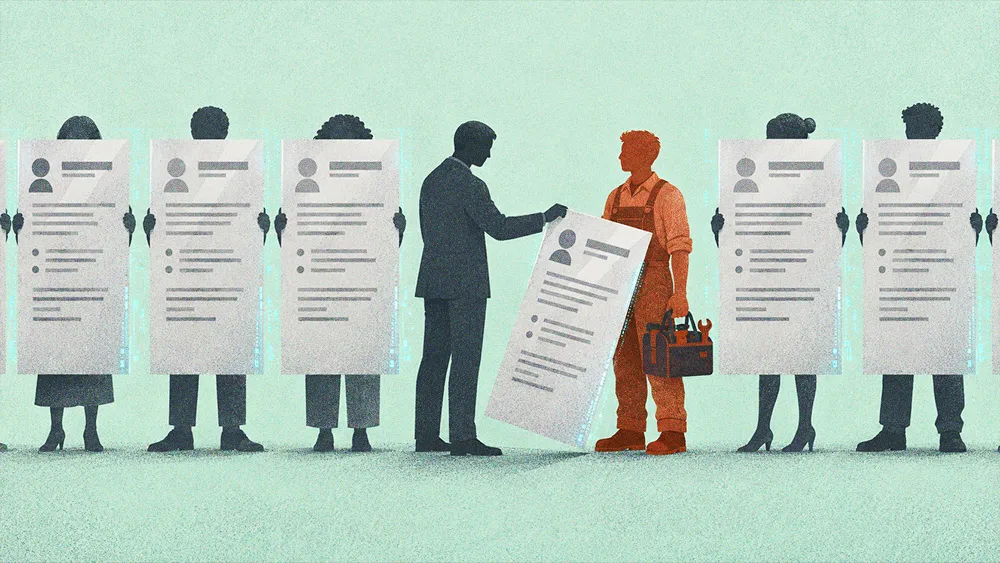
When Every Resume Looks Elite, Screening Shifts To Verifying The Human Behind Them
Four in ten hiring pros now battle AI-misrepresented candidates. Empower Pharmacy TA Partner Frank Strick on rebuilding trust the resume no longer carries.
Flattening Management Layers Succeeds On The Capability Built Underneath
Stephanie Crook, Principal at PKC Group and a former Intel executive, explains what a leaner structure asks of the managers who remain.
In Minnesota, Discovery Hiring Replaces Applicant Rankings With Short Interviews That Test Job Skills
Bloomington, Minnesota’s HR manager interviews every qualified applicant, one skill per round, and says it fills jobs faster than ranking candidates.
HR Trends 2027: 8 Shifts HR Leaders Need to Plan For
The 8 HR trends for 2027: leaner teams, AI accountability, overwhelmed managers and more, drawing on Gartner’s new CHRO priorities and Criteria research.
Mapping The Shadow Org Chart Covers What Succession Planning Misses
Global talent acquisition and transformation executive Philippe Bernimolin describes the record a company needs before its next restructuring.
How to Evaluate AI Hiring Tools: 8 Questions to Ask Vendors
How to evaluate AI hiring tools, with the eight questions to ask vendors about accuracy, bias audits, explainability and compliance before you buy.
Fixing The Pipeline Problem Starts With Killing The 'Talent Surplus' Mindset
Michael Peterson, Sr. Director of Global Talent Acquisition at Edwards Lifesciences, on why the pipeline problem is a mindset problem before it's a sourcing one.
Hiring Trends 2027: What 1,000+ Hiring Professionals Expect Next Year
Hiring trends for 2027 from Criteria's survey of 1,027 hiring professionals: harder hiring, AI candidate fraud, entry-level shifts and Gen Z readiness.
Net Hires Shows The Difference Between Meeting Hiring Targets And Growing The Workforce
Corrian Nwankwo, Founder of CROWNE, draws on two decades in hospital HR to show how hiring and turnover data reveal where workforce losses begin.
Contingent Workforce Programs Overcome Resistance With Escalation Power From The Top
Contingent workforce leader Eric Osterhout says the software is rarely the problem with a broken program. Executive sponsorship and patience are what actually drive success.AI & Technology
View More
How AI's Value Finally Shows Up When Teams Stop Measuring It By Speed
Karin Wagner, VP of Talent Operations and Technology at Empower Pharmacy, on tying AI to outcomes leaders actually care about.
Strong Candidates Don't Always Come With A Resume, So Recruiters Are Building Tools To Find The Work
Marta Mierzejewska, Recruiter at Dominion Dynamics, explains why documented guardrails and hiring-manager review have to precede any automated job description.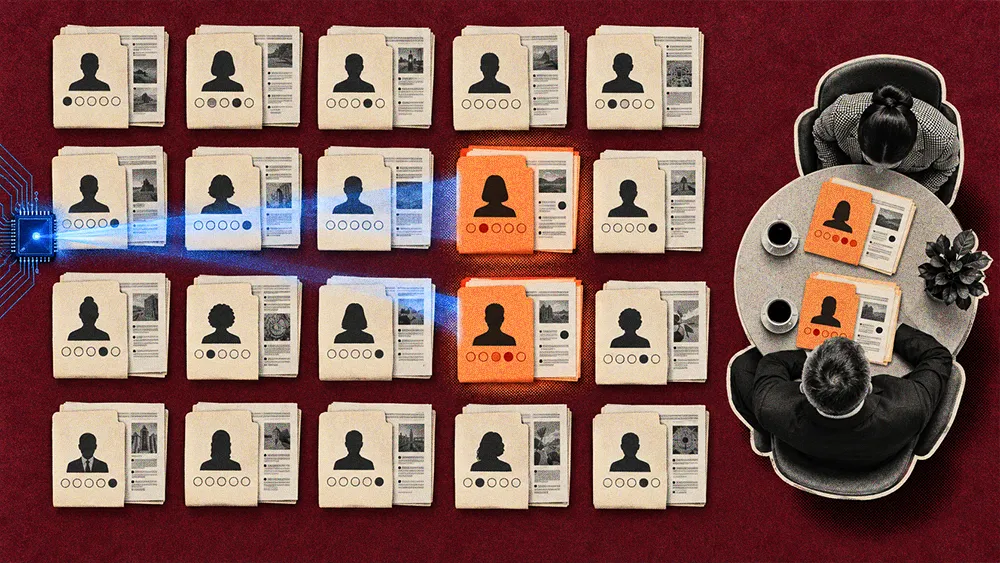
AI Shows HR Where Performance Rating Standards Drift Before Calibration
Angie Ng, Global Director, HRBP and Employee Relations at Zapier, says the cost of an error should decide how much human review each HR AI tool gets.
AI Candidate Fraud: A Third of Employers Say They Can't Reliably Catch It
About 4 in 10 hiring professionals struggle with candidates using AI to misrepresent themselves. Here's what AI candidate fraud looks like and how employers are responding.Too Many Applicants: AI Job Applications and What to Measure Instead
AI job applications have more than doubled the volume per role. Here’s why stricter resume filters backfire and what to measure instead.
The strongest talent signals are not on a résumé.
Criteria reveals how candidates think, work, and grow, turning potential into more confident hiring decisions.
Discover Criteria
Leadership
View More
Recruiting Trends 2027: 8 Shifts Talent Acquisition Teams Need to Plan For
The 8 recruiting trends for 2027, from AI interviews and candidate fraud to the decline of the resume, with data from Criteria, Greenhouse and Gartner.
Do In-Person Interviews Stop Hiring Fraud? Only One Kind
In-person interviews stop deepfake and proxy candidates, but most AI hiring fraud comes from real people faking skills. Here’s when the extra round is worth it.
Can AI Fake a Pre-Employment Assessment? Why Tests Are Harder to Cheat Than Resumes
AI cheating in hiring is easy on resumes and much harder on timed, proctored assessments. Here’s why, and how employers should reorder their hiring process.
Is AI Replacing Entry-Level Jobs? 37% of Hiring Professionals Say It's Already Reducing Demand
Is AI replacing entry-level jobs? 37% of hiring professionals say AI is reducing their need for junior hires. Here's what Criteria's data and new research show.
Do Candidates Like AI Interviews? What the 2026 Data Shows
Do candidates like AI interviews? The 2026 data says they welcome well-run ones and walk away from bad ones. Here’s what makes the difference.
Structured vs. Unstructured Interviews: Why Structure Predicts Job Performance
Structured interviews predict job performance about twice as well as unstructured ones, and here's how to build one.
What Are Pre-Employment Assessments? Types, Accuracy and How to Use Them
What are pre-employment assessments? A guide to the main types of hiring tests, what research says about their accuracy, and how to use them fairly.
As AI Closes Knowledge Gaps, Experience Stops Being a Manager's Edge
As AI gives employees access to more knowledge and takes over more routine work, Nico Orie of Coca-Cola Europacific Partners argues managers need a different mix of people leadership, business judgment, and technical understanding.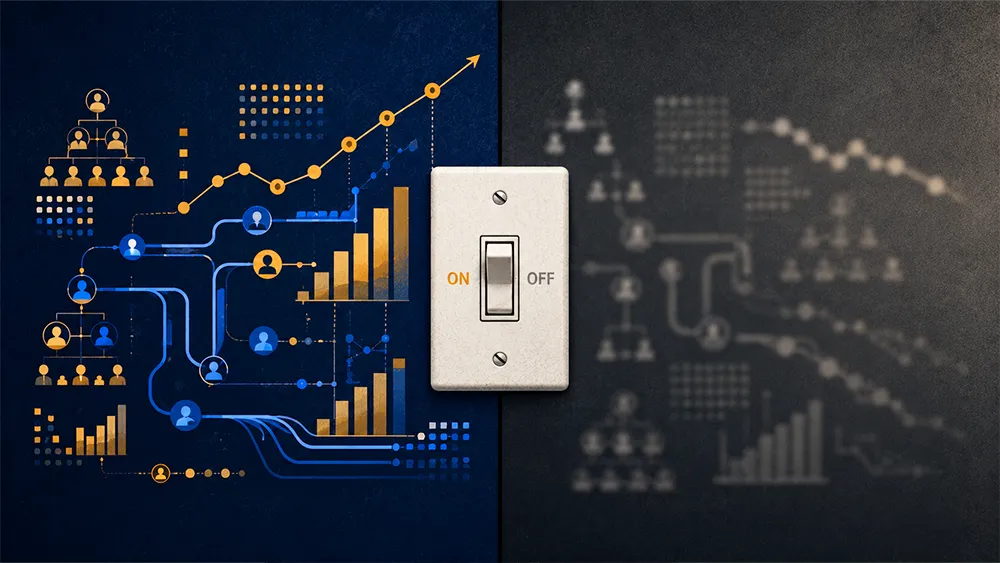
Measuring Past The Mandate Turns Hiring and Promotion Guesswork Into Visible Patterns
As the EEO-1 mandate faces repeal, Chrysalis VP of Human Resources Carlyne Ervin makes the case that companies should keep measuring workforce data to spot important patterns and ask better questions.