

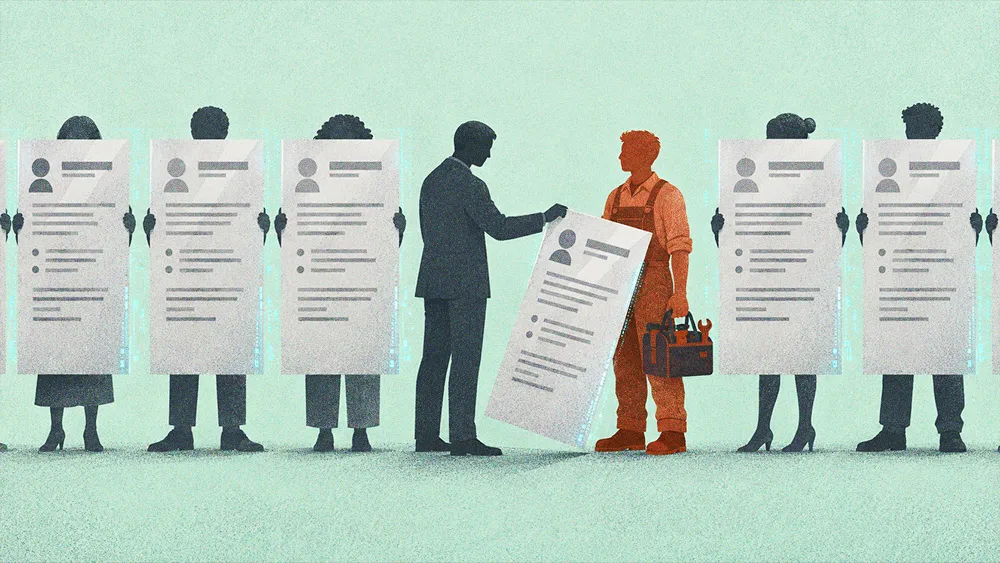
When Every Resume Looks Elite, Screening Shifts To Verifying The Human Behind Them
Four in ten hiring pros now battle AI-misrepresented candidates. Empower Pharmacy TA Partner Frank Strick on rebuilding trust the resume no longer carries.
Growth strategy news on hiring decisions, including the true cost of a bad hire, skills-based hiring's mixed results, and how to define the role right.
Four in ten hiring pros now battle AI-misrepresented candidates. Empower Pharmacy TA Partner Frank Strick on rebuilding trust the resume no longer carries.

Stephanie Crook, Principal at PKC Group and a former Intel executive, explains what a leaner structure asks of the managers who remain.

Bloomington, Minnesota’s HR manager interviews every qualified applicant, one skill per round, and says it fills jobs faster than ranking candidates.

The 8 HR trends for 2027: leaner teams, AI accountability, overwhelmed managers and more, drawing on Gartner’s new CHRO priorities and Criteria research.

Global talent acquisition and transformation executive Philippe Bernimolin describes the record a company needs before its next restructuring.

How to evaluate AI hiring tools, with the eight questions to ask vendors about accuracy, bias audits, explainability and compliance before you buy.

Michael Peterson, Sr. Director of Global Talent Acquisition at Edwards Lifesciences, on why the pipeline problem is a mindset problem before it's a sourcing one.

Hiring trends for 2027 from Criteria's survey of 1,027 hiring professionals: harder hiring, AI candidate fraud, entry-level shifts and Gen Z readiness.

Corrian Nwankwo, Founder of CROWNE, draws on two decades in hospital HR to show how hiring and turnover data reveal where workforce losses begin.

Contingent workforce leader Eric Osterhout says the software is rarely the problem with a broken program. Executive sponsorship and patience are what actually drive success.

Jason Bell, Business Analyst and Transformation Lead at Providence Health Plan, sat down and did his team's job himself. The number he came back with was hours, where the plan said weeks.

Andre Amyot, VP of Talent & Culture at Laurentide, explains why in-person meetings reveal what a polished application can hide.

Amy Spencer, founder and Chief Matchmaker at Evo Communications, on blending permanent staff with vetted independents so a team can add depth without hiring year round.

Susan Newman, Executive Director of school2life, on the upside of a hiring process built to surface what a candidate has actually done.

David Jacobs of Industrial Solutions Network explains why hiring, training and retention all depend on making expertise transferable.

Talent Signal News is Criteria's newsroom, and it does not cover Criteria. Here's what we're building, who pays for it, and what we owe the people reading it.

Josh Millet, founder and CEO of Criteria, makes the case for hiring on durable skills and growth trajectory over static credentials and gut-feel rapport.
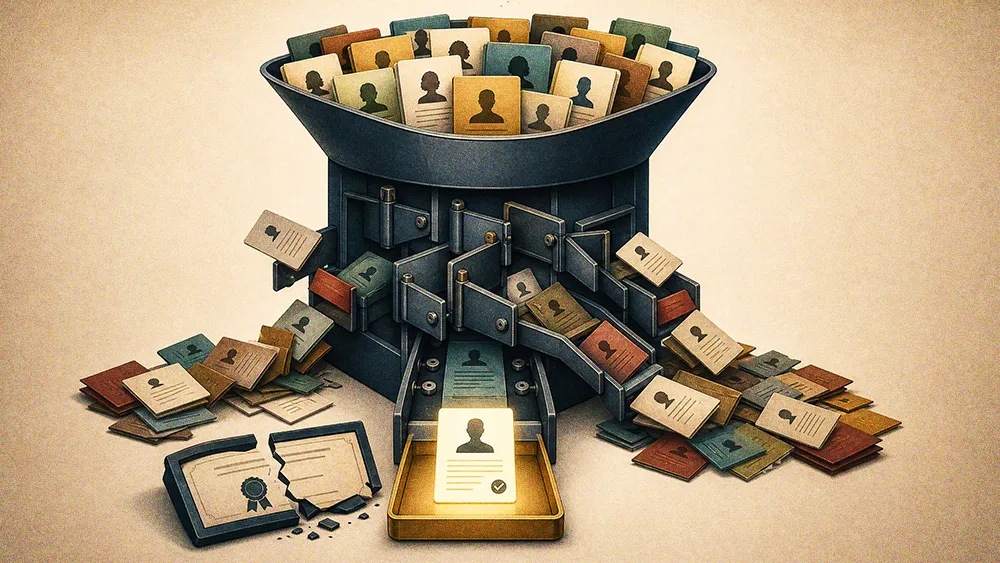
Johnny C. Taylor Jr., President and CEO of SHRM, argues the skills-first movement stalled because employers dropped the degree requirement without building a structured way to measure skill, which sends hiring right back to the familiar resume.
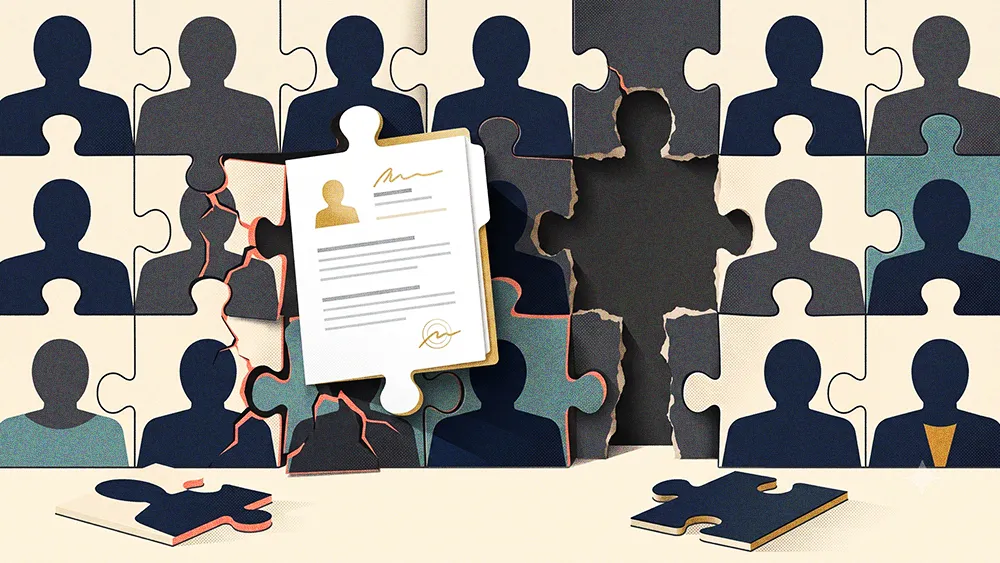
A résumé-clean, fast-tracked hire can still crater the team it joins. The bill that follows isn't the replacement cost everyone quotes. It's the good people who leave once the wrong hire is inside.
The skills-first movement won the press cycle, but funnel data shows most employers replaced the diploma with proxies that select the same people.

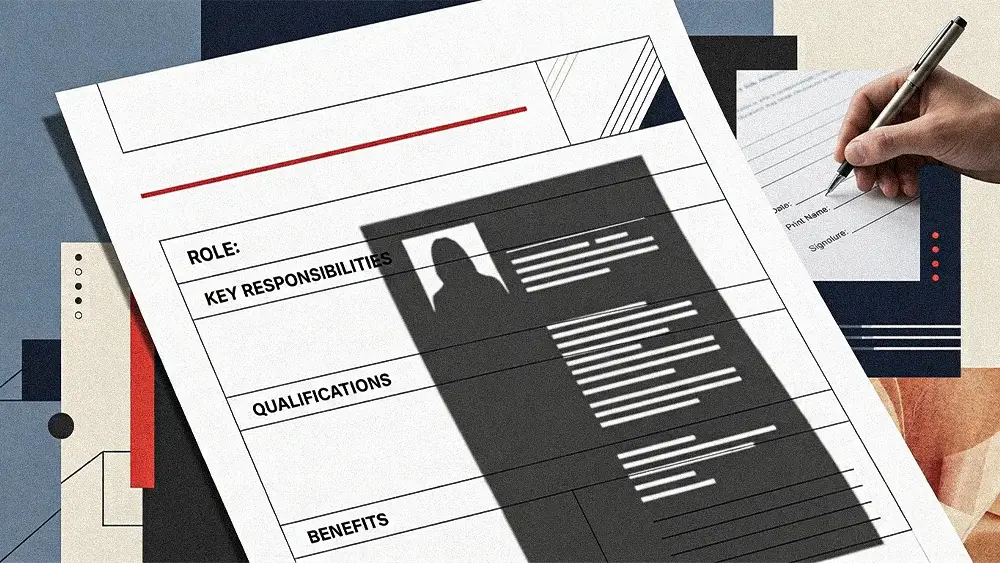
Bad hires get blamed on moving too fast. Scott Bonacorsi, chief people officer at Rehmann, argues the real failure comes earlier: posting a role no one agreed on how to judge.