

The announcements came in waves. States dropped degree requirements from government jobs. Fortune 500 employers publicly struck the bachelor's line from thousands of postings. LinkedIn filled with declarations that skills, not schools, would decide who gets hired. By any measure of stated intent, the skills-first movement won.
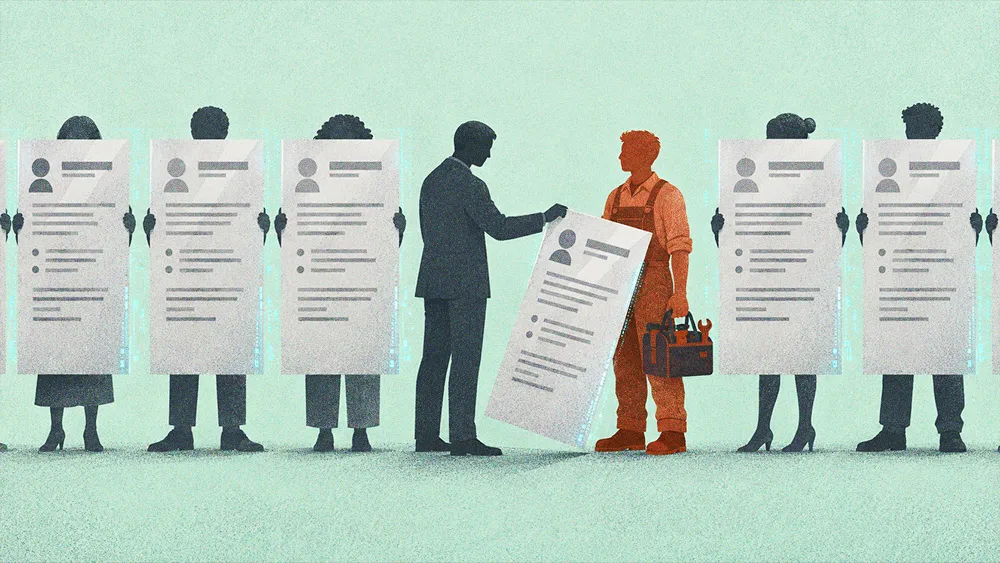
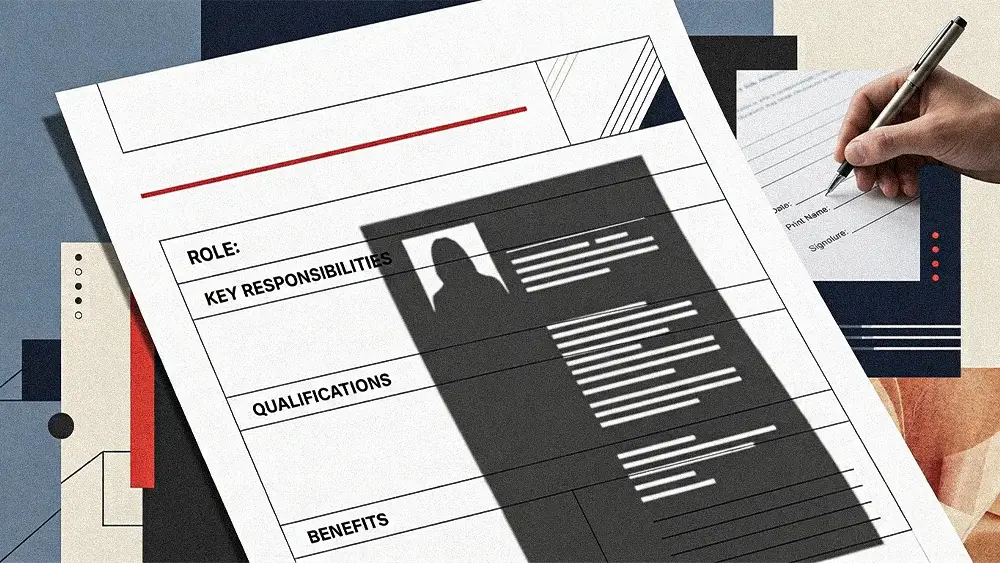
Then researchers started checking the receipts, and a pattern emerged that should sound familiar by now: postings changed far faster than hires did. The research on the early skills-based wave keeps finding that removing a degree requirement from a job ad changes almost nothing about who ends up in the job. The requirement left the posting and survived in the screener's head, or in the ATS filter, or in a hiring manager's quiet preference for the familiar resume shape.
What actually happens between application and offer
Call 2026 the audit year. The question is no longer whether companies say they hire for skills. Nearly all of them say it. The question is what actually happens between application and offer, and for most organizations the honest answer is: the same thing that happened before, minus one line in the posting.
Dropping a degree requirement removes a filter without adding an instrument. If the screening process still runs on resume keywords, the algorithm simply finds new proxies, and those proxies usually correlate with the old credential anyway. In SHRM's research, 64 percent of HR professionals say their AI tools automatically filter out applicants judged unqualified. The proxy hunt runs at machine speed. Job titles at brand-name employers stand in for the diploma. The company congratulates itself on going skills-first while its funnel quietly reconstructs the pedigree screen it claims to have abandoned.
The measurement problem
There's also a harder problem underneath the lazy one. Hiring for skills requires measuring skills, and most organizations never built that capability. A recruiter can verify a degree in thirty seconds. Verifying that a candidate can actually analyze data, lead a team, or learn a new system requires an instrument: a validated assessment, a structured work sample, a scored interview. Companies that dropped the degree without adopting the instrument didn't become skills-based. They became vibes-based, which is worse, because at least the degree correlated weakly with something.
The organizations getting it right share a trait: they treat skills-based hiring as a measurement project, not a communications project. They define what the job actually requires, select validated tools that measure those requirements, and hold the funnel accountable for using them. It's unglamorous work, which is why the press release always ships first.
The pressure to close the gap is arriving from three directions at once. Regulators reviewing algorithmic hiring increasingly ask employers to justify their selection criteria, and a criterion that turns out to be the old degree screen in disguise is an uncomfortable thing to defend in writing. Candidates compare public skills-first commitments to their own rejection emails and post the difference. And the labor market itself keeps producing counterexamples: workers without degrees performing well in roles the old filter would have denied them, hired by competitors willing to measure instead of assume.
The say-do gap won't close on its own. The announcements had their turn. The audit year belongs to the companies that can show what they measure.