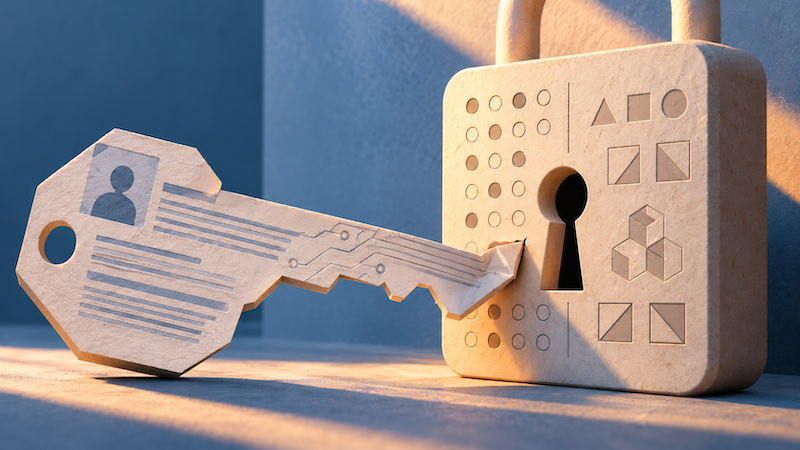


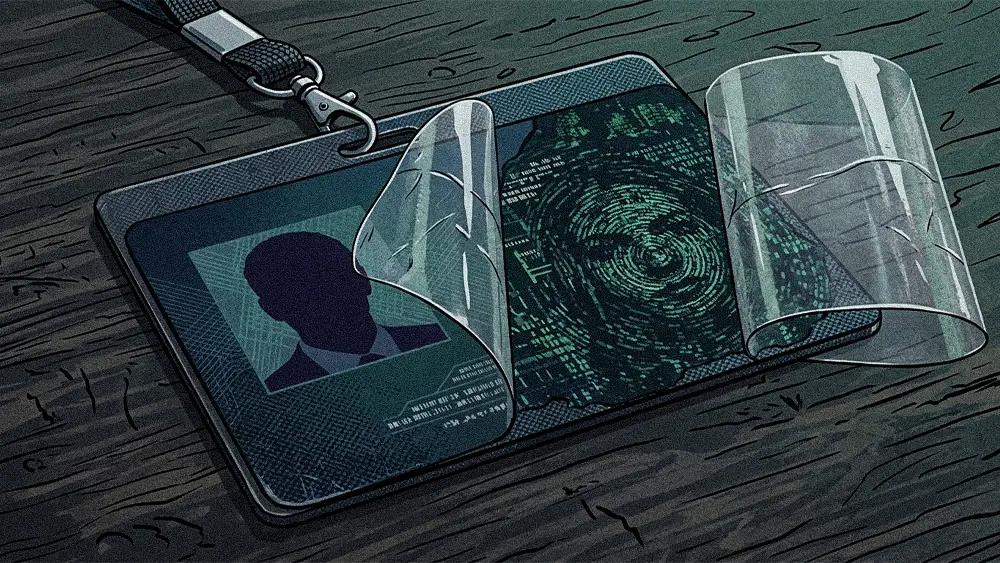
The interview goes fine. The references check out. The laptop ships. Weeks later, someone notices the new engineer never turns on a camera, and the unraveling begins.
A study of large enterprises puts a number on how often this happens, and the number is worse than almost anyone guessed: 41 percent of large organizations report having onboarded at least one person who wasn't who they claimed to be. Not almost hired. Onboarded. Badge issued, VPN live, payroll running.
This is organized, and it's being prosecuted
This is no longer a story about lone opportunists. The Department of Justice has tied coordinated North Korean remote-worker schemes to more than 300 American companies, and a 2025 enforcement sweep included searches of 29 laptop farms across 16 states. The FBI now warns employers directly that these operatives use AI and deepfake tools to hide their identities during interviews. The Federal Trade Commission reports that losses to job scams overall grew from $90 million in 2020 to more than $501 million in 2024.
Every checkpoint passed, because every checkpoint reads paperwork
For HR leaders, the uncomfortable part is where the failure happens. Every one of these impostors passed a hiring process. The resume looked right. So did the LinkedIn history, the endorsements, the fluent interview answers. Each checkpoint hiring has traditionally relied on was satisfied, because those checkpoints evaluate artifacts a candidate submits, and submitted artifacts can now be manufactured on demand.
The legal exposure compounds the security exposure. Negligent hiring doctrine holds employers responsible when they knew or should have known about a risk at the time of hire. With public FBI warnings and saturation media coverage, attorneys are already arguing that "should have known" now covers synthetic candidates. An employer whose fake hire walks off with customer data may find that its hiring process itself becomes the liability.
The damage rarely stops at a fraudulent paycheck. Security researchers describe impostor hires deploying malware within days of starting work, exfiltrating customer records, and, in the North Korean cases, funneling salaries to a sanctioned regime. Experian's 2026 fraud forecast puts machine-driven schemes at the top of its threat list, and the timing problem makes everything worse. The longer a fake employee stays undetected, the deeper the access grows. A hiring mistake caught at the interview stage costs an afternoon. The same mistake caught in month three costs an incident response team.
The one thing a face swap can't borrow
What actually holds up is evidence a candidate can't outsource. A proctored assessment, completed under identity verification, is hard to fake for a simple reason: someone else's skills don't transfer through a face swap. The impostor problem is usually framed as a security story, and it is one. But at its root it's a selection problem. Companies got comfortable hiring on documents and conversation, and both can now be forged. The organizations that close this gap first will be the ones that stop asking candidates to describe themselves and start asking them to demonstrate.