

If there's a way to create touchpoints with a real human in the process, that's very beneficial to the candidate because at least they know there are people on the other end who are assessing them.
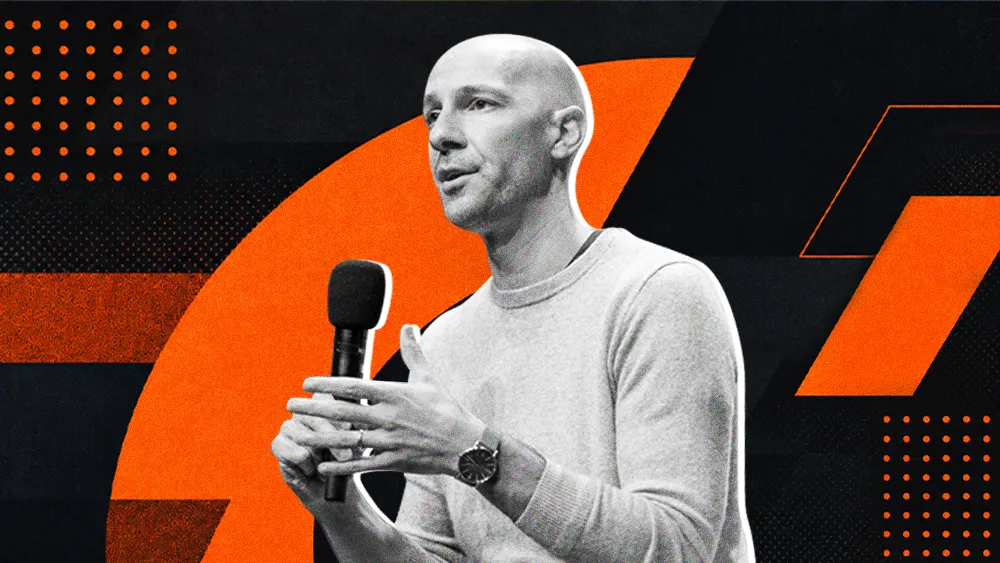
 Iris V. GroenHR Executive
AI screening tools can now conduct surprisingly natural interviews, but candidates still need meaningful human contact throughout the hiring process. An automated interviewer may ask relevant follow-up questions, yet applicants can finish the conversation without knowing who's evaluating them or what happens next. As employers adopt AI screening to speed up hiring, they still need to ensure candidates know that real people are involved in evaluating their applications.
Iris V. Groen, an HR executive most recently serving as the Deputy Chief People Officer at the Jewish Board of Family and Children's Services, has led talent acquisition and HR modernization across complex operations. She has overseen a 26-person HR department supporting approximately 1,800 employees across more than 60 locations and modernized manual workflows. She has also experienced AI screening as a job candidate.
“If there's a way to create touchpoints with a real human in the process, that's very beneficial to the candidate because at least they know there are people on the other end who are assessing them,” Groen says. Her perspective shows why employers need to make hiring faster without losing the human connection.
AI interviews have come a long way
AI screening can deliver a natural conversation without imitating every aspect of a human interview. Groen was surprised by how effectively the AI interviewer built on her previous answers. “It felt almost like I was talking to a live, in-person interviewer, as opposed to just recording the answer that I was providing,” Groen says.
Earlier screening tools asked a set of fixed questions and recorded candidates' answers without adapting to their responses. More interactive interviews are becoming relevant as AI enters recruitment workflows. Criteria's 2026–2027 Hiring Benchmark Report, based on a survey of 1,027 U.S. hiring professionals, found that 56% use AI in hiring, 46% for screening, and 10% to conduct AI-led interviews.
Despite these improvements, Groen noticed that the AI interviewer skipped the usual small talk about her day or the weather. She also questioned whether AI could truly understand the feelings behind such conversations. “That small talk piece was missing. But I don't necessarily know that it would have been a benefit if it had been added to the conversation to make it more like a normal interview.” For Groen, the more valuable human interaction comes from knowing that someone at the organization is involved in assessing her application.
The hiring black hole persists even with AI
Employers should help candidates track their applications and know who's reviewing them, even when AI handles the initial screening. Automated emails may confirm that an application was received, but candidates often don't know whether a real person has reviewed it. “You apply into the 'black hole' of resume applications. You don't even necessarily know if it's screened or reviewed or who's looking at it,” Groen says.
The growing adoption of AI in hiring makes this lack of clarity a bigger concern for candidates. The benchmark report found that 28% of hiring professionals cited candidate perception and experience as obstacles to AI adoption, and 31% prioritized improving candidate experience in the coming year. Groen would favor screening tools that help applicants track their status and identify the recruiter responsible for their application. “You know that Iris is working on your role or that she's the person who reviewed your application. That's a real person, not necessarily the AI tool.” This approach allows employers to automate repetitive administrative work and still provide candidates with a clear point of contact.
The right credentials don't guarantee the right candidate
Employers need to look beyond qualifications and consider a candidate's people skills, especially when hiring for healthcare and human services roles. “You can definitely find a person who is a good match on paper, someone who checks some of the boxes. But that doesn't necessarily mean they have the heart or the soft skills to do the job you need them to do.”
A healthcare professional may have the right technical skills but lack the patience and empathy needed to make clients feel cared for and supported. “Coming from a health and human services background, you not only need to have the technical skills, but you also need to have patience and empathy.” The benchmark report reinforces the importance of these qualities, with 44% of hiring professionals identifying emotional intelligence as one of the most important attributes to seek in candidates.
Better screening should leave fewer candidates in the dark
Employers should consider how easy AI screening tools are to use, how much information they provide to candidates, and whether they allow for human contact. Groen values tools that make hiring easier for candidates applying to multiple jobs and recruiters reviewing large numbers of applications. She believes these tools should reduce repetitive work while helping candidates understand where they stand in the hiring process.
Groen remains optimistic about how these tools will develop. “I'm really excited to see how they continue to evolve as the technology changes, and how HR practitioners and talent practitioners are able to leverage them to better identify candidates, move people through the process faster, and create a better experience for everybody involved.”