The Shoe-on-Head Test: What Viral AI Interview Pranks Reveal About Screening Design
Candidates keep trolling AI interviewers on camera, and the bots’ reactions show talent teams exactly where their own screens could go wrong.
ByTalent Signal News Editorial
Candidates are trolling AI interviewers on camera, and the bots don't always handle it well. For talent teams, the videos are a useful look at what an automated screen does when someone won't play along.
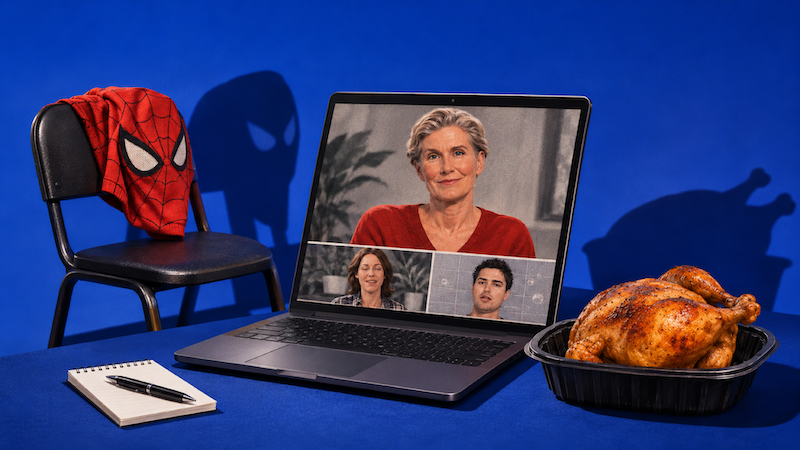
This week's most-shared hiring story is a video of a shirtless man with a sneaker on his head, sitting through what looks like a fast-food AI screening. The avatar, named Karen, scolds him about the shoe, offers $4 an hour and calls the rate non-negotiable. When he asks for $725,000 a year, she tells him he'd have to be "absolutely delusional."
The clip hasn't been verified. Tech Times reports that nobody has tied it to Burger King, a franchisee, a hiring platform or a real job opening. It's one of many, though. Creators have answered AI interviewers in gibberish, invented résumés full of "raccoon protocols" and sent their own AI agents to negotiate with a company's recruiter bot. Some of these videos have millions of views.
Most people watch these for the laughs. Talent teams should watch them for what the bots do when a candidate goes off script, preferably before a creator tries the same thing on their own process.
Where the screens go wrong
Candidates have always been unpredictable. Some of these interviewers just handle it badly.
In the shoe video, the avatar went after the applicant's appearance, which has nothing to do with whether someone can work a restaurant shift. It also quoted a wage below the $7.25 federal minimum, a number a screening tool should never come up with on its own. The bot in the gibberish video went further. Its smile turned into a frown, it asked the candidate whether he was having a breakdown, and it ended the call by telling him he was completely unqualified.
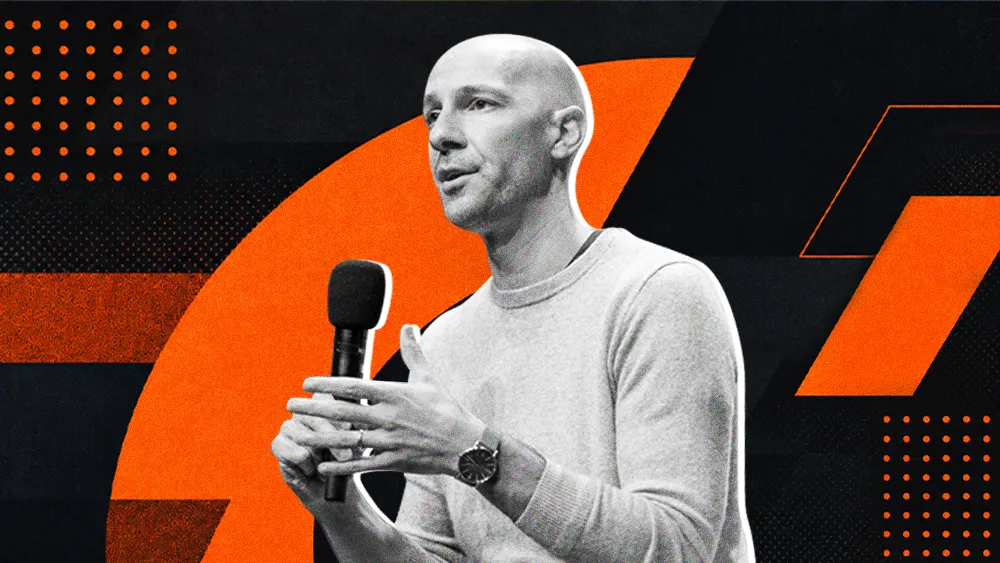
Josh Millet, co-founder and CEO of Criteria, suspects a lot of people in the industry "laughed at these videos and then winced a little." The behavior in the clips is the problem, he said. "When an interviewer comments on how someone looks, makes up a pay rate or gets irritated, the candidate has a bad experience, and the employer doesn't come off well either."
Other bots fail in the opposite direction. When comedian Graham Zip introduced himself as "Chick Bongo" and described a career in kayak margins, the recruiter avatar repeated it back as if it were a credible résumé. A screen that can't tell evidence from noise will also struggle with polished, AI-written answers from real applicants.
In the agent-to-agent video, the trouble was authority. Zip's bot and the company's bot haggled over salary and booked a follow-up call while he was out of the room, then got stuck saying goodbye to each other. Neither one should have had the authority to do most of that.
Why candidates are fed up
The videos land because a lot of job seekers are already frustrated. Greenhouse surveyed 2,950 of them for its 2026 Candidate AI Interview Report and found that 63% of U.S. candidates had faced an AI interview. Seventy percent of that group said AI wasn't clearly disclosed beforehand, and 51% of those who finished an AI interview never received an outcome.
Criteria's own 2026 Candidate Experience Report, based on more than 2,500 job seekers, suggests candidates are fine with being measured and are reacting mostly to how the process is run. Sixty-eight percent said they'd be open to dropping the résumé in favor of more predictive hiring methods, and 34% had used AI to help them apply. Only 20% were very optimistic about this year's job market. They want a fair process and a reply when it's over, and a lot of them aren't getting either.
"AI has changed hiring forever," Millet said, "and candidates can tell pretty quickly whether they're being heard or just moved through a system."
Candidates can tell pretty quickly whether they're being heard or just moved through a system. Where AI really helps is in making structured interviews easier to run well, and the final decision should rest with people.
Josh MilletFounder and CEO, Criteria Corp
What a sturdier screen looks like
Most of these problems come from how the screens were set up, and fixing them doesn't take anything fancy. A structured screen asks every candidate the same job-relevant questions and scores the answers against a rubric. Under that setup, a shoe on someone's head never gets scored or mentioned, because it was never on the rubric.
The interviewer's tone should stay neutral. When an answer doesn't fit, a polite re-prompt is enough. If the candidate keeps going off script, the session should end courteously, get flagged for a recruiter to look at and give the candidate a way to try again. Pay, offers and final decisions belong with people, and the agent shouldn't touch them.
Candidates also deserve a heads-up. They should know before the session starts that AI will run the first step, what it's looking at and who makes the call. Afterward, every candidate should hear back. When half the people who sit through a screen never hear anything, they remember that.
Before a screen goes live, someone should try to break it with gibberish, fake résumés and a second bot on the line. Creators are already running those tests on camera, and it's better for an employer to find the gaps first.
Criteria's view
Criteria is getting ready to release its own AI Interview Agent, part of its Predictive Interviewing suite. The agent is in a small beta now, with a wider release expected in the coming weeks. It’s built to run structured early-stage interviews over voice, text and video, then organize and evaluate the responses for a person to review.
Millet points to the research that has shaped Criteria's work for years. "We've known for a long time that structured interviews are about twice as predictive as unstructured ones," he said. "Where AI really helps is in making that structure easier to run well and consistently."
He also wants people to stay in charge of the outcome. "The signals should be science-backed and explainable, and the final decision should rest with people."
Any employer using AI interviews should want to pass the test these creators keep running. When a candidate won't cooperate, a good screen stays polite and sticks to the questions, and a recruiter decides what happens next. Nobody is going to make a video about that, which is probably the goal.


Josh MilletFounder and CEO, Criteria Corp